
 By
By 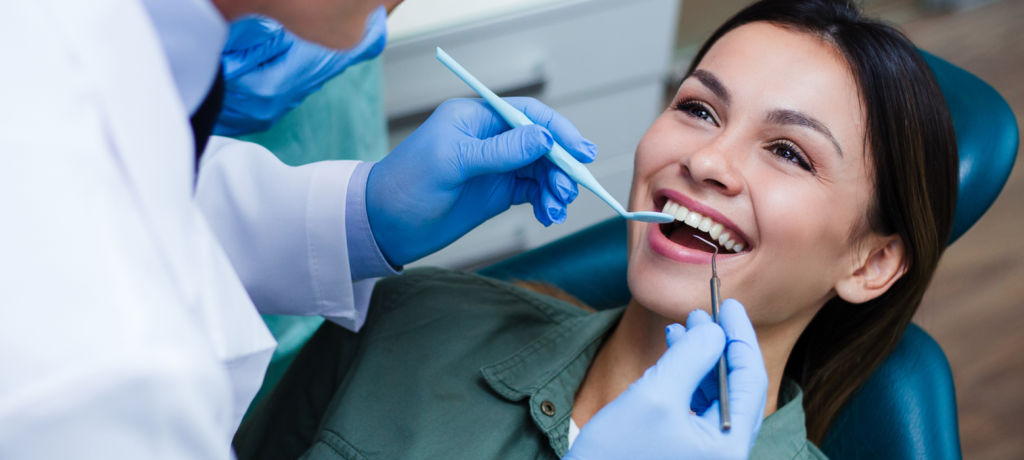
When it comes to dental care, there is a lot of information you should know. You can get overwhelmed learning how often you should brush, or how often you should see a dentist for a cleaning. Avoid getting overwhelmed by using the valuable tips in this article to keep your smile beautiful.
To get teeth that are very clean, make sure you use a toothbrush that has soft bristles as well as one that fits your mouth. Allow your toothbrush to air dry so as to avoid bacteria growth. Keep in upright so that the bristles aren’t touching anything and the air can circulate through them.
Do not eat too many foods that are acidic or high in sugar. Your teeth will suffer from these items. It can be helpful to drink teeth-staining drinks with a straw, in order to bypass your teeth completely. Brushing your teeth immediately after consuming sugary foods may also mitigate the damage.
Visit your dentist every year. Your dental health can get better if you visit your dentist regularly. Taking care of dental problems as early as possible can save you money. You can also avoid major problems by fixing small problems while they are still small. It is cheaper and easier to fix them sooner.
Brushing is only effective when you do it the right way. Your toothbrush should be held an angle. In addition, you should use quick back-and-forth motions to clean your teeth. Make sure that you don’t brush too intensely, because you could harm your gums. Finally, don’t forget to brush your tongue, either.
Schedule a visit to your dentist if you have sensitive teeth. Pain in your teeth when eating hot foods or drinking cold drinks may be indicative of serious dental issues. You may have a cavity, nerve inflammation, or nerve irritation. These are dental problems you do not want to ignore.
You can efficiently prevent tooth decay by using a mouth wash that contains fluoride. You should check the labels of the products you buy and look for fluoride. Do not take a fluoride supplement if you decide to use some mouth wash or toothpaste that is already enriched in fluoride.
Try rinsing your mouth after you eat. Brushing is still the best way to clean teeth after meals, but sometimes you can’t do that. This is where rinsing can be handy. When rinsing, you’re removing leftover food on your teeth and in your mouth. You’re also helping to neutralize your mouth’s pH levels.
Avoid throwing away a tooth that has came out. Clean the tooth off. Don’t remove any tissue since it might be able to be inserted back into the socket. If this is something that you can not achieve, you should then put the tooth in some milk and make an emergency visit to your dentist.
Sometimes brushing and flossing is not enough. If you are still having trouble with plaque, go to the store and look for an antimicrobial mouth rinse to help you. Use it according to the directions on the package to help finish off your dental care routine. You should notice an improvement.
Are you baffled by $75 toothbrushes? Dentists often recommend these as almost as good as a professional cleaning. While these devices may not remove 100 percent of debris beneath the gum line, they still offer superior cleaning power. Compare the warranty, attachments and price on several models before making your choice.
Many people end up with cavities between their teeth, and the reason is that they don’t floss and brushing alone doesn’t get all the food out. It’s best to floss after you brush your teeth twice a day, but once a day is better than none at all, of course!
If you see redness and inflammation on your gums, you may have gingivitis. Poor dental hygiene can lead to a gum disease called gingivitis. If you find that your gums are bleeding every time you brush your teeth, this can be a good indicator that there is a problem. Go see your dentist if you believe you have gingivitis or another gum disease.
As mentioned at the beginning of this article, when it comes to taking care of your teeth, there is a lot to know. Keeping track of your dental maintenance needs can be difficult. Anytime you feel unsure about what to do, refer back to the dental information you learned here.